Exploring India’s Snake Diversity
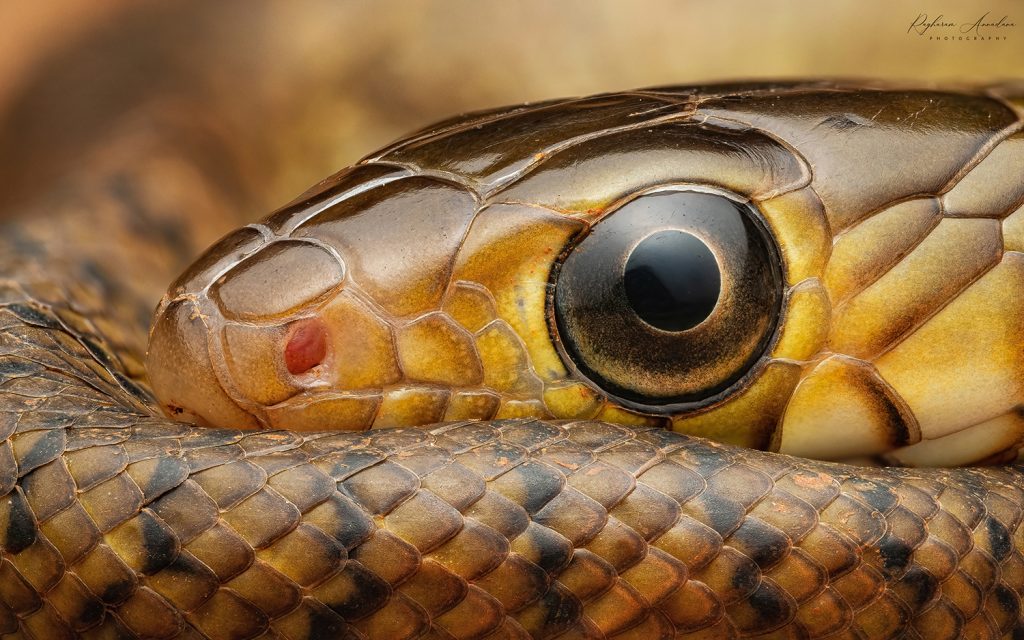
India harbors one of the world’s richest snake faunas, with over 300 documented species ranging from the legendary king cobra to tiny blind snakes that live underground. From the Western Ghats’ endemic pit vipers to the Himalayan montane species, these serpents occupy virtually every habitat across the subcontinent — from coastal mangroves and desert sands to high-altitude forests and urban gardens.
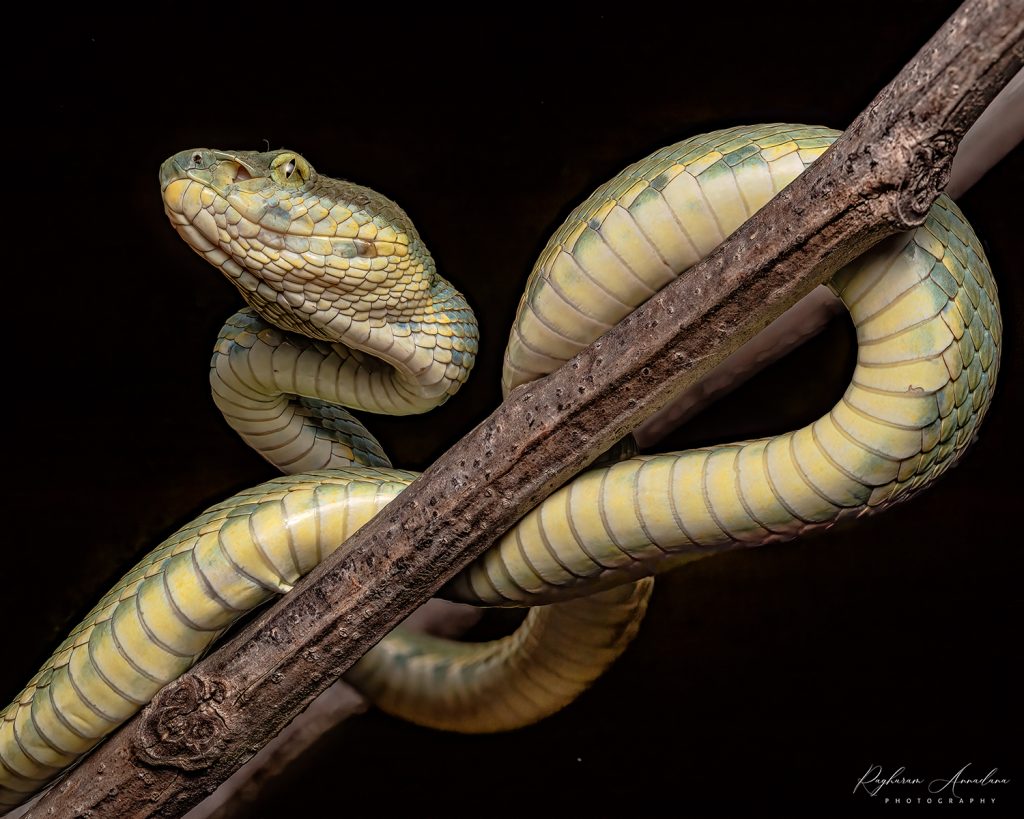
Despite popular misconceptions, the vast majority of India’s snakes are harmless to humans. While species like the “Big Four” venomous snakes (Indian cobra, common krait, Russell’s viper, and saw-scaled viper) command respect and caution, most snakes are either non-venomous or possess venom that poses no threat to humans. These serpents play crucial ecological roles as both predators of rodents and prey for birds, mammals, and other reptiles.
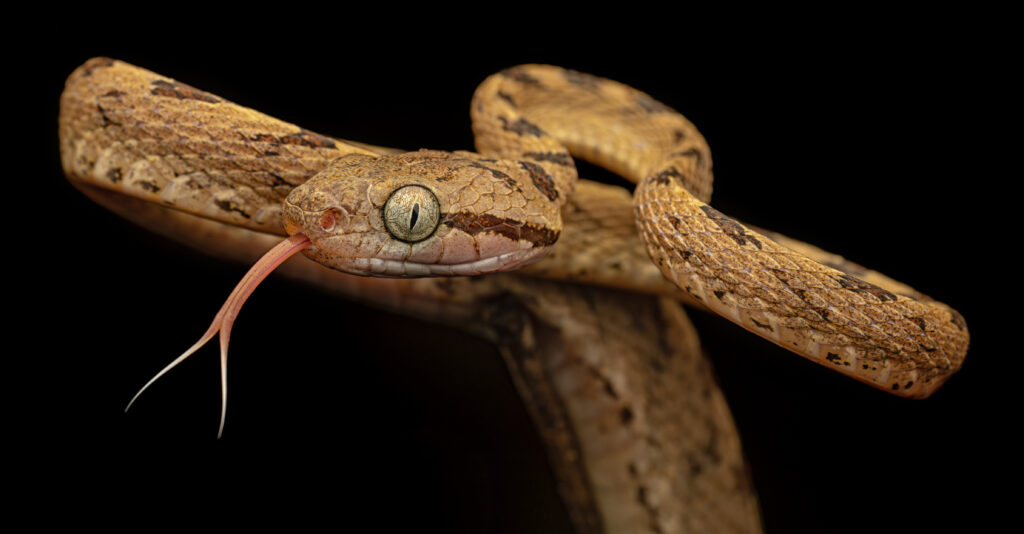
Understanding snake diversity is more critical than ever. Habitat loss, climate change, and human-wildlife conflict threaten many species, while misidentification often leads to unnecessary killing of harmless snakes. Accessible information can bridge the knowledge gap between scientific literature and public awareness.
An Interactive Species Guide
I’ve compiled a searchable, image-rich database covering most of the documented snake species of India. This project began as a simple Excel compilation of species data, and gradually evolved into something more elaborate. Using a bunch of Python scripts, I transformed static data into an interactive species guide.
👉 Explore the Snakes of India – Species Guide
Each species entry in the guide provides:
Taxonomy & Identification:
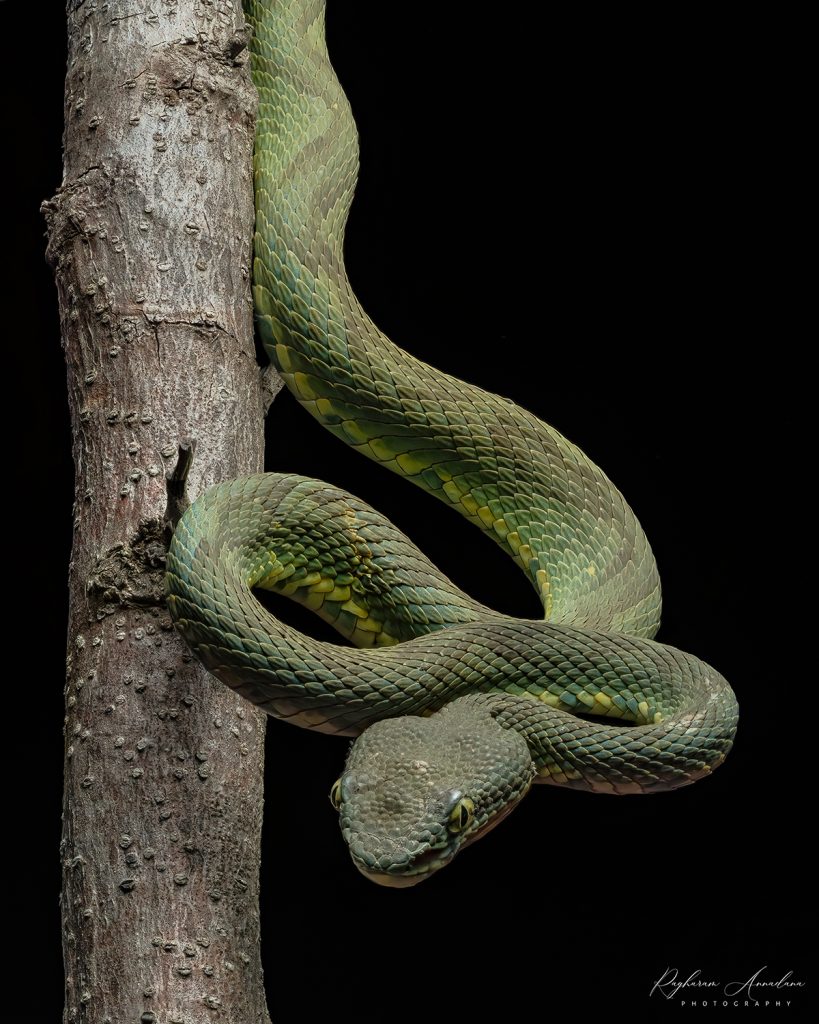
- Family classification and scientific nomenclature
- Common names (including regional variations)
- Images with proper attribution
- Notes on common misidentifications
Ecology & Distribution:
- Regional distribution and habitat preferences
- Elevation ranges and microhabitat details
- Activity patterns (diurnal/nocturnal/crepuscular)
- Dietary preferences and feeding behavior
Conservation & Safety:
- IUCN conservation status
- Venom profile and medical significance
- Current threats and conservation challenges
- Endemic status and distribution notes
Additional Resources:
- Direct links to Wikipedia articles for deeper reading
- Taxonomic authorities and recent nomenclatural updates
Looking Ahead
Taxonomy and distribution data of snakes continue to evolve. I don’t claim that all the data on this page is accurate and I plan to update the resource as I uncover updated facts. If you’re working with Indian snakes or notice missing information or updates needed, I’d welcome your input to keep this page as accurate and comprehensive as possible.
Further Reading & Resources
Scientific References
- Reptile Database – The most comprehensive global reptile taxonomy database
- iNaturalist India – Citizen science platform for snake observations and identifications
- Hamadryad – Open-access journal on herpetofauna of the Indian subcontinent.
- Journal of Threatened Taxa – Open-access journal with regular snake research publications.
Conservation Organizations
- Madras Crocodile Bank Trust – Leading reptile conservation center with extensive snake research
- Bombay Natural History Society – India’s premier natural history organization with herpetological studies
- KCRE – Rainforest ecology studies in the Western Ghats of India
- Wildlife SOS – Snake rescue and rehabilitation work across India
Field Guides & Literature
- Indian Snakes – A rich field guide of the snakes of India
- “A Field Guide to the Reptiles of India” by Indraneil Das – Comprehensive field identification guide
- “Snakes of India: The Field Guide” by Romulus Whitaker and Ashok Captain – Essential reference for Indian species
Emergency & Medical Resources
- Indian Snakebite Initiative – Medical protocols and antivenom information
- WHO Snake Antivenom Database – Global antivenom availability and efficacy data
2 Comments
Prakash Dudhalkar
Nice
Michał Sykutera
Truly beautiful pictures. Great work!